

Emma boards the tube at 8:15 am, earbuds in, and launches a 7‑minute puzzle game that syncs with her calendar. By the time she reaches work, she’s already cleared three levels and logged a small win. During her lunch break she swaps the puzzle for a quick multiplayer match, and after dinner she settles on the sofa for a story‑driven adventure that saves her progress across devices. What started as a way to kill idle minutes has become a central part of her daily entertainment.
Why Mobile Devices Are the New Gaming Hub
In the UK, smartphone penetration sits at 94 percent, according to the Office for National Statistics. That means almost every household has a device capable of running a game that once required a console or PC. The average data plan now includes at least 50 GB of monthly allowance, so downloading a 2‑GB game no longer triggers a dreaded “out of data” warning. These technical realities make mobile the default platform for spontaneous play.
Instant Access, Measurable Impact
Data from the UK Interactive Entertainment Association shows that mobile sessions averaged 22 minutes in Q2 2023, up from 15 minutes two years earlier. The rise is not just about length; it’s about conversion. In a recent survey, 68 percent of respondents said they’d tried a new game after seeing a friend’s high‑score notification on social media. The “viral push” is amplified by built‑in sharing tools, which let players post screenshots or invite contacts directly from the game interface.
Monetisation That Fits a Busy Lifestyle
Micro‑transactions have become the norm, but UK players are increasingly selective. A study by SuperData revealed that the average spend per player on mobile games fell from £12.30 in 2021 to £9.80 in 2023, indicating a shift toward “pay‑as‑you‑go” models rather than large upfront purchases. Subscription services such as Apple Arcade, priced at £4.99 per month, offer ad‑free experiences and a rotating catalogue, which appeals to those who want variety without the hassle of constant in‑app purchases.
Cross‑Platform Play Bridges Gaps
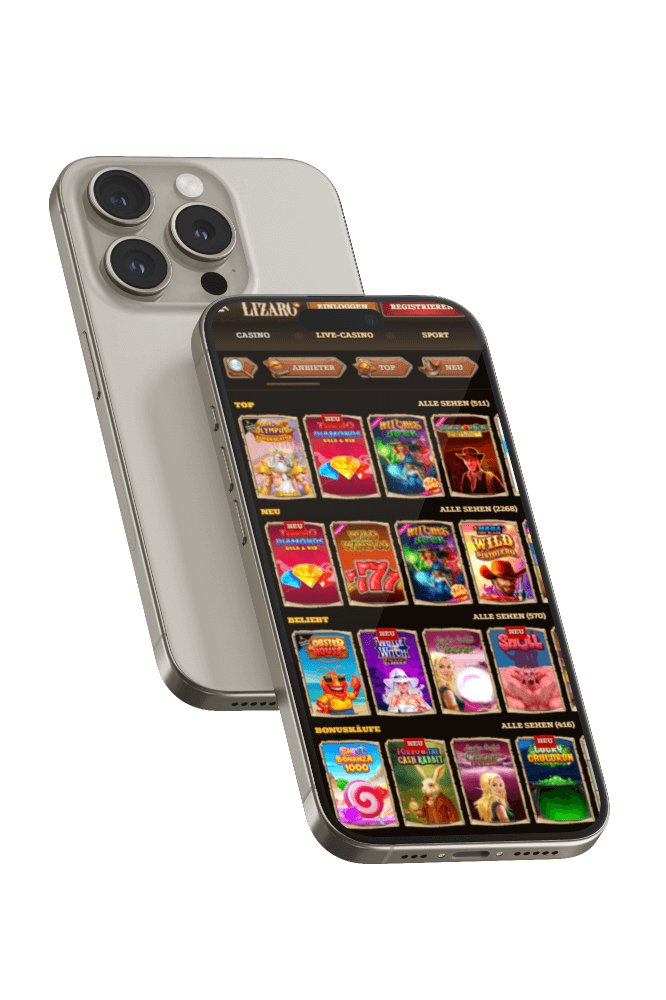
Many titles now allow progress to be saved to the cloud, meaning Emma can start a quest on her phone, continue on her tablet during a train ride, and finish on her laptop at home. This continuity is powered by services like Google Play Games and Apple Game Center, which store save data securely and sync it in seconds. The result is a seamless narrative that respects a player’s fragmented schedule.
While mobile gaming thrives on convenience, it also dovetails with broader online entertainment trends. For instance, platforms that blend video streaming with interactive content are gaining traction, and one such service can be explored at https://fifty1.co.uk. This illustrates how the line between passive viewing and active participation is blurring, offering UK players a richer palette of experiences.
Challenges That Still Matter
Battery life remains a practical limitation. A high‑end game running at 60 fps can drain a typical UK smartphone from 100 percent to 20 percent in under an hour. Players with older devices may also encounter performance hiccups, such as frame drops or longer load times, which can detract from immersion. Developers are responding with “lite” versions, but the trade‑off is often reduced graphics fidelity.
Looking Ahead: What the Next Five Years Might Hold
- 5G rollout will lower latency, enabling real‑time multiplayer battles without lag spikes.
- Augmented reality integration could turn everyday locations into game boards, similar to the success of location‑based titles.
- More robust parental controls will give families confidence to let younger players explore mobile titles safely.
For Emma, and for countless UK gamers, the evolution is already evident: entertainment that fits into pockets, schedules, and even public transport. Mobile gaming isn’t just an add‑on; it’s reshaping how we define leisure in the digital age.
Frequently Asked Questions
How can mobile gaming fit into a commute?
Emma plays short, 7‑minute puzzle games that sync with her calendar, making idle train time productive.
Does Emma’s game sync across devices?
Yes, her progress is saved in the cloud, so she can continue from the train to the sofa without losing data.
What benefits does she get from this routine?
She improves focus, stays entertained, and achieves quick wins that boost morale during busy days.
Are there time‑management tips for mobile gaming?
Limit play to scheduled slots, choose games with quick sessions, and use cloud sync to avoid duplication.